NAFDAC Compliance is a key factor in ensuring regulatory compliance for pharmacy practices in Nigeria. The National Agency for Food and Drug Administration and Control (NAFDAC) is charged with protecting public health by ensuring that all regulated products—including drugs, foods, medical devices, and chemicals—are safe, effective, and of the right quality.
For a retail pharmacy, NAFDAC registration does not primarily concern the physical premise (that is PCN’s mandate). Instead, NAFDAC focuses on the legitimacy of your inventory and your adherence to Good Distribution Practice (GDP) standards in storage and dispensing.
I. NAFDAC Compliance, Not Premises Registration
NAFDAC’s primary interaction with a retail pharmacy occurs in two major areas:
- Product Regulation: Ensuring every drug, supplement, and regulated item sold bears a valid NAFDAC Registration Number.
- Distribution Control (GDP): Ensuring the conditions under which you receive, store, handle, and dispense these products meet national safety standards.
To ensure NAFDAC compliance, a retail pharmacy must obtain its pharmaceutical stock only from NAFDAC-registered and PCN-licensed sources (importers, wholesalers, or manufacturers).
II. Mandatory Steps for NAFDAC Compliance
Since a retail pharmacy does not typically manufacture products, the focus is on verification and due diligence.
Step 1: Verification of Supply Chain Sources
You must establish a clean supply chain to avoid stocking unregistered or counterfeit products, which carries severe penalties, including premise closure and prosecution.
- Authorized Suppliers: Insist on procuring all medicines and regulated products solely from:
- NAFDAC-registered manufacturers.
- NAFDAC-registered importers.
- PCN-licensed Mega Wholesale Centres (MWC) or other authorized distributors.
- Verification: Before placing any order, cross-reference the supplier’s license and the product’s NAFDAC registration number using the Agency’s online database.
Step 2: Product Labelling and Registration Number Check
Every single regulated product on your shelf must be easily identifiable as NAFDAC-approved.
- NAFDAC Registration Number: This is mandatory for all drugs, food items, and cosmetics. Ensure the number is conspicuously displayed on the product packaging.
- Labelling Compliance: The labels must contain minimum requirements such as:
- Generic and brand names.
- Name and full location address of the manufacturer/importer.
- Batch No., Manufacturing date, and Expiry date.
- Storage conditions.
Step 3: Compliance with Good Distribution Practice (GDP)
NAFDAC requires all entities in the supply chain, including retailers, to maintain product quality from receipt to dispensing. This heavily relates to the PCN’s requirements but is monitored by both agencies.
| GDP Compliance Area | Requirement for Retail Pharmacy | PCN Checklist Reference |
| Storage Temperature | Maintain appropriate conditions. A functional refrigerator (2–8°C) is mandatory for cold chain products (e.g., vaccines, insulin). | Required Equipment |
| Stock Management | Implement a First Expiry First Out (FEFO) policy to prevent the dispensing of expired drugs. | Record Books (Inventory System) |
| Quarantine Area | Clearly demarcated, restricted area for rejected, recalled, damaged, or expired products. | Inspection Checklist |
| Documentation | Records of all product receipts, dispensing, losses/theft, and destruction/disposal must be maintained and auditable for NAFDAC and PCN inspectors. | Record Books (Disposal Book) |
| Security | Enhanced security for Narcotics and other controlled substances (Schedule 1 medicines) with restricted access, as specified in NAFDAC’s Controlled Medicines Regulations. | Security & Safety |
Read Now: Revolutionizing Hope: Transforming Pharmaceutical Regulation in Nigeria
III. Handling of Controlled Medicines and Narcotics
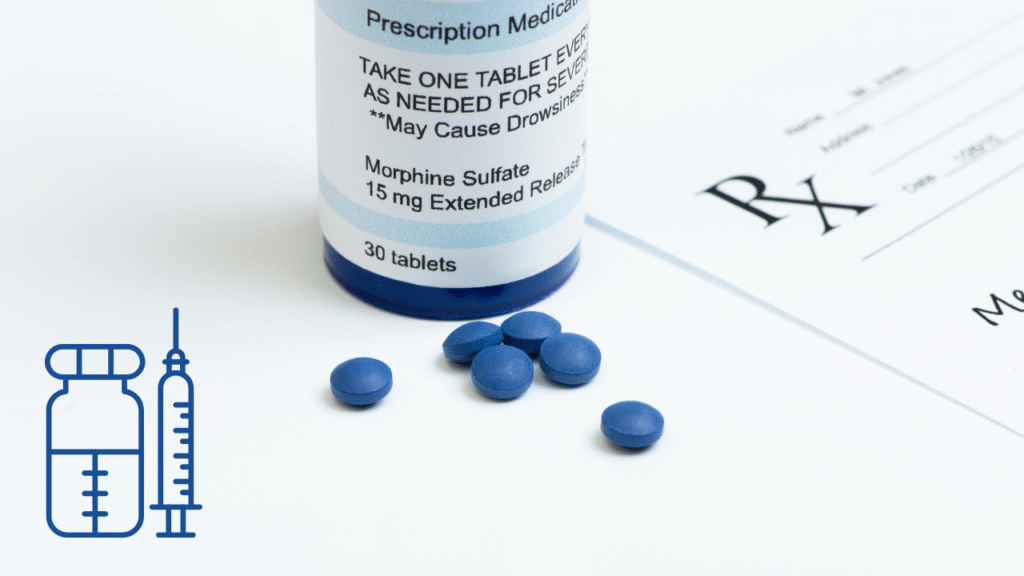
NAFDAC, in collaboration with the National Drug Law Enforcement Agency (NDLEA), strictly regulates narcotics and psychotropic substances.
- Special Authorization: Retail pharmacies dealing with Schedule 1 narcotics must have special authorization beyond the standard PCN license, often requiring procurement directly from Federal or Zonal Narcotic Stores.
- Record Keeping: Comprehensive records are mandatory, including the Poisons/Controlled Drugs Disposal Book mentioned in the PCN checklist. The Superintendent Pharmacist is the focal point for all controlled medicine transactions.
IV. NAFDAC Inspection and Enforcement
Unlike PCN, which inspects for licensing, NAFDAC conducts monitoring and enforcement inspections, often unannounced, to check inventory integrity.
Key Focus Areas During Inspection:
- Expired Stock: Checking the quarantined area and stock shelves for any product past its expiration date.
- Counterfeits: Using devices like the Mobile Authentication Service (MAS) or checking for the NAFDAC Registration Number and Hologram (where applicable).
- Storage Conditions: Verifying that thermometers, cooling equipment, and storage procedures are functional and recorded.
- Adverse Drug Reaction (ADR) Reporting: Checking if the pharmacy has a system for identifying and reporting suspected ADRs to NAFDAC, a mandatory post-market surveillance duty.
By prioritizing product integrity and maintaining strict adherence to GDP guidelines, a retail pharmacy not only complies with NAFDAC regulations but also builds essential consumer trust.
Read Now: Your How to Register a Pharmacy in Nigeria